Anita Rochelle Nixon

Midnight Light Inc  ·  Charlottesville, VA

Anita Rochelle Nixon
Fine Art · Storytelling · Informed Joy

Art made with
informed joy.

from story · myth · memory · roots

Creating spaces where you remember
you were always allowed to make things.

Explore the Gallery →
We Are Each Other's Harvest — diptych by Anita Rochelle Nixon, after Gwendolyn Brooks. Figures gathering the harvest among corn under a navy sky.

We Are Each Other's Harvest  —  after Gwendolyn Brooks

Anita Rochelle Nixon

Some artists paint what they see.
I paint what I know.

My work begins with a line from Gwendolyn Brooks: we are each other's harvest. Everything I make is a study of that gathering — of what Black life looks like when it is allowed to rest, to bloom, and to belong to itself.

Three ideas run through the whole body of work. Rest as power: figures seated, unhurried, eyes closed — repose as a stance, not a retreat. Reclamation: faces returned to rooms of flowers, given back the abundance that history withheld. And informed joy: work that carries depth and lived experience without being defined by struggle.

Flowers are my recurring language. Peonies, lilies, marigolds — they move through nearly everything I make, not as decoration but as inheritance. The same is true of pattern and thread: braids, quilts, woven cloth — the craft traditions that carried our stories when nothing else was permitted to.

The work is tactile by intention. I build surfaces in layers: painterly passages of acrylic, graphite drawing, and archival photographs that dissolve into true mixed-media collage — with sculptural elements that give each piece a physical body. My studio training was in sculpture, working in heavy metals and wood, and that hand never left. The painter leads, but the sculptor insists the surface be something you could read with your fingertips.

I've been making things in the midnight hours for as long as I can remember. Teaching by day, creating by night — over twenty years of both, from Charlottesville, Virginia. What I know is this: joy is not the absence of history. It is what we grow in spite of it, and because of it.

A full life shows up in the work. Welcome to mine.

Choose a door.

the doors are ajar — come closer

The Harvest Portraits

Movement I — opening series

Harvest Portrait I — Profile portrait, figure in cream against flowing dark line-work — by Anita Rochelle Nixon

Harvest Portrait I

Harvest Portrait II — Seated figure with headwrap against woven bands of coral, sage, and lavender — by Anita Rochelle Nixon

Harvest Portrait II

Harvest Portrait III — Seated figure in striped apron against a wall of patterned spoons — by Anita Rochelle Nixon

Harvest Portrait III

Harvest Portrait IV — Figure in cream shirt among braids and swirling color — by Anita Rochelle Nixon

Harvest Portrait IV

We Are Each
Other's Harvest

after Gwendolyn Brooks

The new work begins with a line from Gwendolyn Brooks — we are each other's harvest — and asks what it means to gather and be gathered.

This is a body of work in movements. It braids the things I have been delving into for years: biblical parable, African and diaspora folklore, and my own family's memory — the stories told at tables, on porches, in the quiet after. Figures bend to the field. Women sit in profile, at rest, unhurried. Elders settle beneath white trees while the spider — the old storyteller — keeps watch from the web. Every harvest needs a griot. Someone has to remember where the seeds came from.

The opening movements are here: the Harvest portraits and the Storytellers. What I'm exploring next is craft itself — the traditions, old and new, that have always carried our stories when no one else would: the quilt, the stitch, the bead, the thread. Embroidered processions of families walking together through gardens. Community, rendered in the very materials our hands have always known. Because craft was never just decoration. It was how we wrote things down.

The work carries what I know: that joy is not the absence of history. It is what we grow in spite of it, and because of it.

From the studio
Work in progress — in motion

Soon to Come

The next movement — story, carried in thread.

Quilted embroidered procession — figures walking hand in hand through flowering vines

The procession, hand in hand

Quilted embroidered procession — families walking through a garden of flowers

A garden that walks with us

Quilted embroidered figures moving together among roses and peonies

Community, in every stitch

Whimsy you can
carry with you

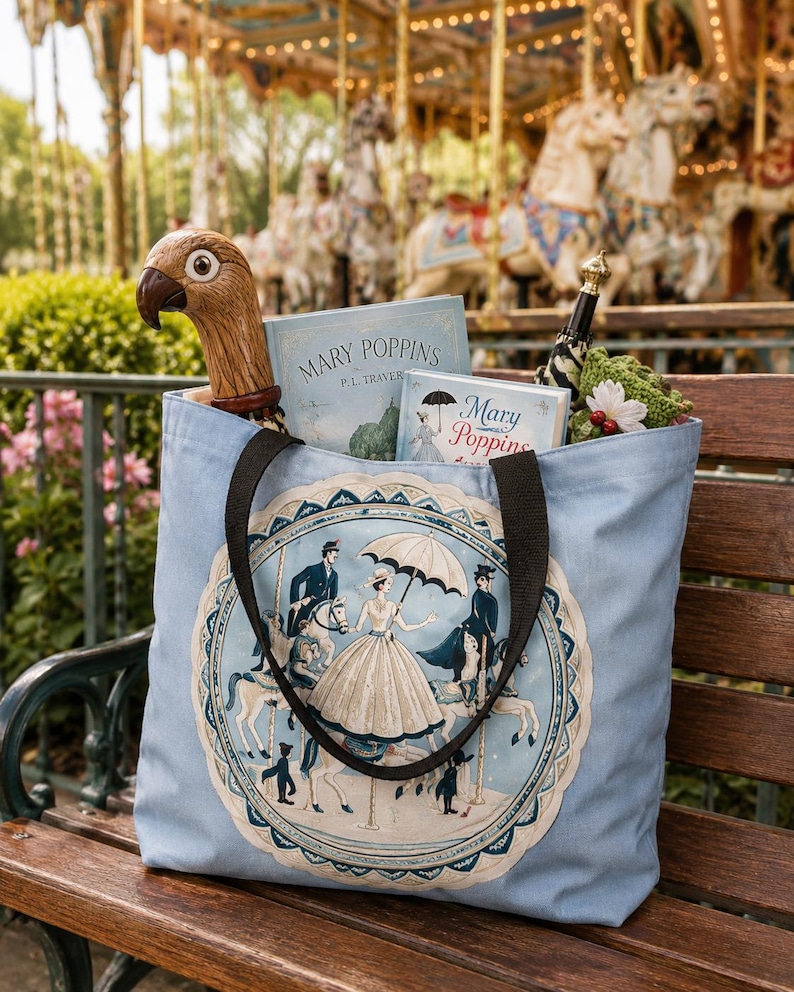
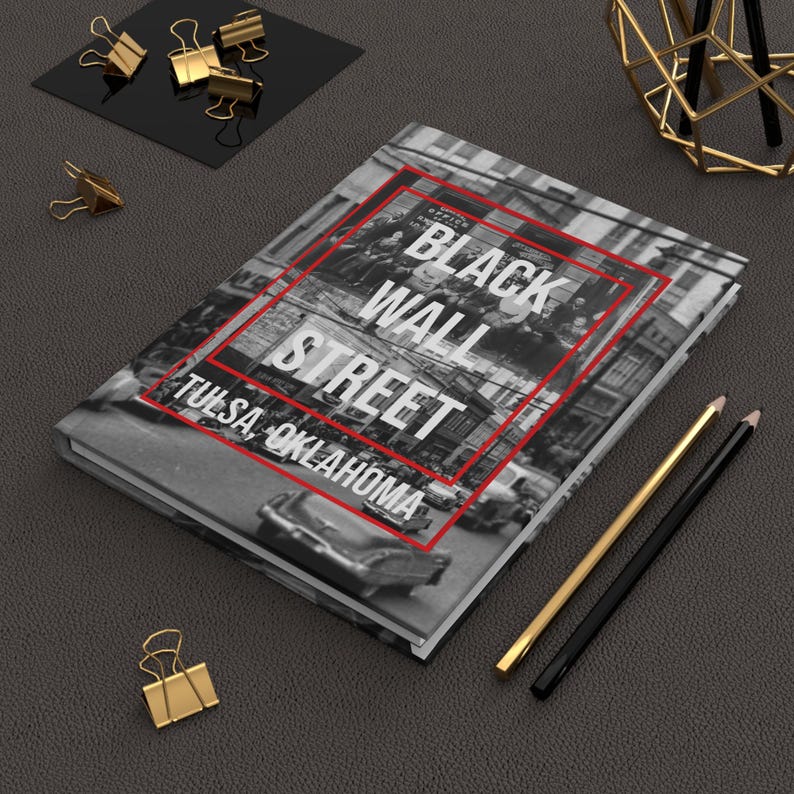
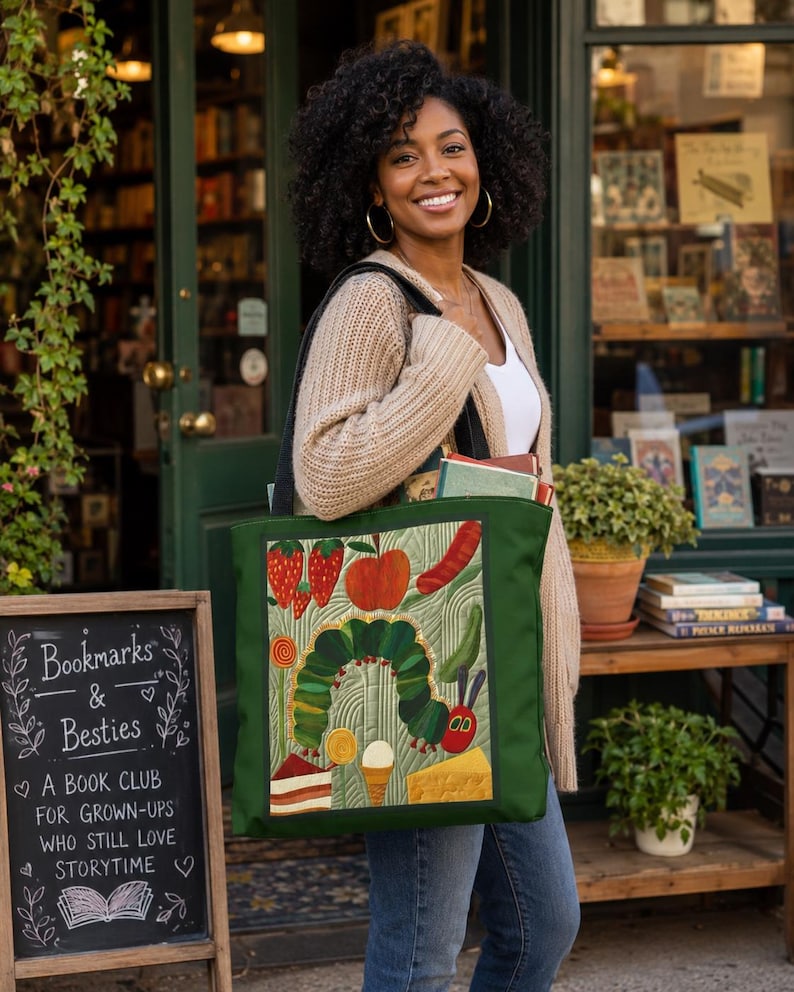
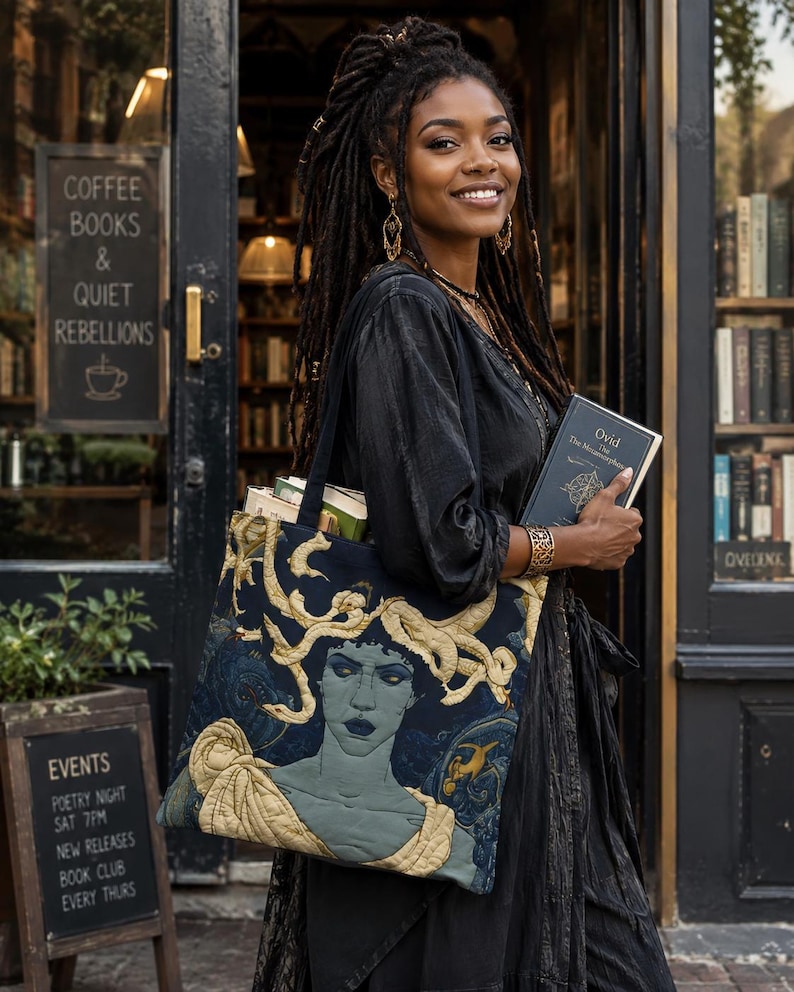
Illustrated goods from my design studio — totes, travel bags, journals, and prints built from the same hand that makes the paintings. New pieces land often; these are the latest.

Browse all 261 pieces on Etsy

Every design can be adjusted to different sizes and preferences — just ask.

✦ ❀ ✦ ❀ ✦

"I create spaces where you remember
you were always allowed to make things."

For over 20 years I've created spaces — in classrooms, studios, and community rooms — where adults and children remember that creativity was never something they lost. They just needed someone to clear the path. No limits. No hesitation. No asking permission to begin.

Anita R. Nixon

Educator · Artist · Instructional Designer · Curriculum Developer

20+ years teaching Fine Art & Photography to adults and children

Education & Advanced Credentials

🎓
Johns Hopkins University

Museum Studies

Advanced coursework in museum education, human-centered design, community engagement, and the development of meaningful visitor experiences in cultural institutions.

🎓
University of Maryland Global Campus

Master's Certificate
Learning Design & Technology

Specialized in developing and implementing cutting-edge, technology-enhanced instructional practices for diverse educational environments.

Professional Qualifications

Visual Arts & Photography Education

Albemarle County Public Schools

Over 20 years teaching fine art and photography to adults and children across public and private educational settings. Curriculum development, studio instruction, and creative mentorship that meets students exactly where they are — and gives them permission to go further.

Educational Technology

More than 15 years integrating educational technologies into the design and delivery of training across various educational levels — ensuring effective and engaging learning experiences.

Adult Learning & Development

University of Virginia

Adopted and integrated new technologies into library learning structures, converting media into accessible public databases.

State Farm

Led professional development training for claims adjusters within learning platforms.

Private Sector in the Arts

Developed and delivered professional development courses for peer educators in arts education.

Instructional Coaching

Albemarle County Public Schools

Provided instructional coaching and developed professional development programs including LMS technology strategies during COVID-19 and beyond.

Virginia Department of Education

Revised the Visual Arts Standards of Learning. Developed technology-enhanced curriculum components to foster a modern educational environment.

Human-Centered Design in Museums

Designed immersive museum-based exercises focused on collaborative efforts and innovative ideas. Led initiatives creating meaningful, interactive discussions among staff, volunteers, stakeholders, and audience members.

Project Management & Collaboration

Expertise leading projects from conceptualization through implementation. Proven track record facilitating collaborative learning and building effective teamwork within educational settings.

Learning Design & Technology

Specialized in developing cutting-edge, technology-enhanced instructional practices. Career trajectory progressed naturally into Learning Design and Technology at graduate level.

For the complete professional profile including full work history, education, and recommendations —

View Full LinkedIn Profile → Teaching Inquiries →

Collaborative Works

Illustrated by Anita Rochelle Nixon

You Can Always Come Home to Winneba

Dr. Abigail Amoako Kayser & Dr. Brian Kayser

An homage to Winneba on the coast of Ghana — and a tale of history, heritage, and the powerful bond between sister cities Winneba and Charlottesville, Virginia. A story of belonging that crosses oceans.

🌍 Coming Soon
30 Minutes to London book cover, illustrated by Anita Rochelle Nixon Illustrated by Anita Rochelle Nixon

30 Minutes to London

Dr. Alecia Rene Jones and contributing authors

A compilation of personal tales — stories of family, friendship, and the remarkable journeys of life as shared with Dr. Jones by those who love her. Illustrations that honor every story as sacred.

✈️ Coming Summer 2026

Coming Soon

Next Essay

Bold & Beautiful
Lois Mailou Jones

On color as identity, Paris as permission, and an artist who turned rejection into a seven-decade career.

Coming

Collage as Memory
Romare Bearden

On fragmentation, wholeness, and building something new from the pieces of everything you've lived.

Coming

Abstraction & Joy
Alma Thomas

On color field painting, garden light, and an artist who made pure feeling into a radical act.

Read every essay first. Subscribe on Substack — it's free.

Subscribe on Substack →

Beauty Is Not Neutral

Seeing the World with Elizabeth Catlett

"Beauty opened the door. Meaning walked in after."

I had a whole love affair with the Arts in the 90s, y'all — as an undergraduate student at the University of Virginia. The studios and libraries were my happy places. Places to work out and create beauty, and then to study the influences and ideas that gave me a footing as a young adult. In the Fine Arts Library at UVA, I used to disappear into the stacks for hours.

I went there first because of beauty. Images pulled me in — the weight of a figure, the elegance of a curve, the gravity held in a line. I lingered because something in the work asked me to slow down. Ask questions. To look again. To stay.

Why this line? Why this restraint? Why does one mark feel inevitable while another feels empty?

As I moved deeper into art history — and more specifically Black art history — the beauty did not fade. It intensified. What changed was my understanding of what I was seeing. The marks were no longer only formal decisions; they were responses. To history. To pressure. To survival. To love.

The quest mattered because the beauty mattered first. Understanding the why behind the beauty became personal. I wanted to know the lineage of the artists whose work held me. I studied the giants of Afro-American art history — not to explain the work away, but to honor its depth. Mark-making became a language of meaning, not decoration.

That way of seeing never left me.

From Immersion to Teaching

When I became an art teacher in urban elementary schools — working with immigrant students, children from the Middle East, and Black and brown communities — I carried that sensibility into the classroom.

Yes, I taught the fundamentals. Line. Shape. Color. Form. And I loved teaching them.

But I also knew that fundamentals are never neutral. A line is never just a line. It can describe. It can honor. It can resist. It can remember.

I wanted my students to experience beauty first — the pleasure of making, the satisfaction of seeing something emerge from their own hands. From there, we could ask questions. We could make connections. We could talk about history, culture, identity, and power without stripping the joy from the work.

Beauty opened the door. Meaning walked in after.

Elizabeth Catlett: Beauty with Conviction

Elizabeth Catlett entered my teaching life this way.

Her work is undeniably beautiful — composed, balanced, assured. But once you stay with it, the conviction reveals itself. Catlett (1915–2012) was an American-born sculptor and printmaker who spent much of her life in Mexico, committed to making art that served people historically pushed to the margins.

She centered Black women, laborers, mothers — not as symbols, but as full human beings. Her political commitments were real and costly. She was surveilled, restricted in travel, and eventually chose Mexican citizenship rather than compromise her beliefs.

Yes — she was radical. But she was also disciplined. Her lines are controlled. Her figures are steady. There is no spectacle of suffering.

Sharecropper, a work I have taught for years, became an anchor for my students. We entered through the image — its strength, its clarity — then stayed to talk about labor, class, history, and dignity. We studied how Catlett used line to communicate endurance without exaggeration.

The students understood immediately. They always do.

Returning to the Work

Years later, I had the opportunity to walk through an exhibition of Catlett's work at the National Gallery of Art. Seeing Sharecropper again felt like greeting an old friend — quiet, firm, unapologetic. The sculptures held warmth. The prints held restraint. The work did not rush to explain itself.

It reminded me that beauty and conviction are not opposites. They can coexist. They can strengthen each other.

Why This Still Matters

We are living in a time of urgency. Grief, anger, and confusion circulate quickly. We are often asked to respond before we have time to see clearly.

Elizabeth Catlett offers another way. She shows us that beauty can be an entry point into responsibility. That stillness can be active. That making space to think is not disengagement — it is care.

Art has always been a place where humanity is held intact.

"Beauty opens the door. Attention keeps us there.
This is how meaning is made — mark by mark."

Read more essays — subscribe free on Substack.

Subscribe →

Art Days
with Anita

A guided journey through Black American art history where every lesson ends with making. Beauty opens the door. You walk through.

"Beauty opened the door. Meaning walked in after."
— Anita R. Nixon

Six Artists. Six Days. One Practice.

Each module pairs deep looking with deep making. Read, watch, respond, create.

01
Elizabeth Catlett · Available Now
Beauty Is Not Neutral
Line, Conviction & the Sharecropper
Mark-making as meaning · 60–90 min
02
Lois Mailou Jones · Available Now
Bold & Beautiful
Color, Pattern & Claiming Space
Color as identity · 60–90 min
03
Romare Bearden · Coming Soon
Collage as Memory
Building Wholeness from Fragments
Coming Soon
🔒
04
Faith Ringgold · Coming Soon
Story Quilts
Narrative, Textile & the Art of Telling
Coming Soon
🔒
05
Alma Thomas · Coming Soon
Abstraction & Joy
Color Field, Gardens & Pure Feeling
Coming Soon
🔒
06
Your Practice · Coming Soon
Your Art Day
Bringing It All Into Your Own Work
Coming Soon
🔒

Anita R. Nixon
Artist · Educator · Cultural Guide

I've been walking into museums and walking out changed for as long as I can remember. For 18 years I brought that same energy into classrooms — teaching children that beauty belongs to them, that the work of artists who look like them is worth studying, worth making in response to.

Art Days with Anita is what happens when that classroom has no walls and no one who doesn't want to be there. Just you, the work, and the long pleasure of looking slowly.

✦  Contributing Author — Virginia Dept. of Education Visual Arts Curriculum, 2015
✦  18 years Visual Arts Educator, Albemarle County Public Schools
✦  B.A. Art History & Studio Art, University of Virginia
✦  Graduate Certificate, Learning Design & Technology
01

Beauty Is Not Neutral
Seeing the World with Elizabeth Catlett

📖 Read + Watch⏱ 60–90 minutes🖊 Mark-making materials
Step 1 · The Hook

A Note from Anita

Your welcome video goes here

"Why beauty matters first" · 3–5 minutes

Step 2 · The Context

Beauty Is Not Neutral

I had a whole love affair with the Arts in the 90s, y'all — as an undergraduate student at the University of Virginia. In the Fine Arts Library at UVA, I used to disappear into the stacks for hours. I went there first because of beauty.

As I moved deeper into art history — and more specifically Black art history — the beauty did not fade. It intensified. The marks were no longer only formal decisions; they were responses. To history. To pressure. To survival. To love.

Elizabeth Catlett (1915–2012) was an American-born sculptor and printmaker committed to making art that served people historically pushed to the margins. Her lines are controlled. Her figures are steady. There is no spectacle of suffering — only clarity, strength, and the conviction that beauty and justice belong together.

Step 3 · The Look

Looking Slowly at Sharecropper

Find a large image of Sharecropper on Google Arts & Culture. Set a timer for 3 minutes. Just look. Then notice:

1 · The line weight — where thick, where thin? What does variation communicate?
2 · The hat — it fills a third of the image. Why? What does that proportion say about dignity?
3 · The expression — not smiling, not suffering. What word would you use?
4 · The negative space — what is left white? How does absence create meaning?
5 · Your body — where do you feel this image? What tightens or softens in you?
Step 4 · The Connection

Bringing It Home

Sit with these questions. Write freely — there are no right answers.

Who in your life has carried something heavy with quiet dignity?
What does endurance look like in your own body?
Where have beauty and conviction lived together in your own experience?
Step 5 · The Make

Sketch Starter: Enter Through Beauty

You'll need: blank paper · one mark-making tool · 30–45 minutes

Sit with a blank page and one drawing tool. No plan. No message. Begin with line — let the first marks be guided by what feels beautiful to make. Stay with that pleasure.

As the sketch unfolds, allow a presence to emerge if it wants to. A stance. A back. A shoulder. No face required. Think of Catlett's figures — how beauty and strength live quietly together.

Stop while it still feels alive.

Step 6 · The Reflect

After Making

What surprised you about what emerged on the page?
Did anyone come to you while you were making — a person, a memory?
In one sentence: what did beauty open for you today?

Beauty opens the door. Attention keeps us there.

02

Bold & Beautiful
Color, Pattern & the Art of Claiming Space

📖 Read + Watch⏱ 60–90 minutes🎨 Color materials needed
Step 1 · The Hook

A Note from Anita

Your welcome video goes here

"On color, culture, and claiming your palette" · 3–5 minutes

Step 2 · The Context

The Artist Who Refused to Be Invisible

In the 1930s, Lois Mailou Jones submitted a painting to a juried exhibition in Washington, D.C. It was accepted. Then the jury discovered she was Black. The painting was quietly removed. So she sent the same work to Paris — and won.

Lois Mailou Jones (1905–1998) was a painter, designer, and educator whose work defies easy categorization. She moved between Washington D.C., Paris, Haiti, and the American South, and her paintings absorbed everything: African masks, Haitian street scenes, bold pattern and textile traditions, and the political urgency of the Civil Rights era.

What held it all together was color. Bold, unapologetic, joyful, serious color. She used it the way Catlett used line — not decoratively, but with full conviction that beauty itself is a form of resistance.

Step 3 · The Look

Looking Slowly at Les Fétiches

Find Les Fétiches (1938) on Google Arts & Culture. Set a timer for 3 full minutes. Then notice:

1 · The color relationships — what sits next to what? Where does your eye land first?
2 · The mask forms — do they feel decorative or alive? What do they communicate about power?
3 · The pattern and repetition — where do you see it? What does it create rhythmically?
4 · The scale — the masks fill the canvas. No background. What does that choice say?
5 · Your first feeling — energizing? Sacred? Joyful? Before meaning, what do you feel?
Step 4 · The Connection

Your Colors, Your Patterns

What colors feel like home to you — not favorites, but colors that carry memory?
Jones was rejected in America and found freedom in Paris. Where have you had to go to find permission to be fully yourself?
Is there a pattern — a textile, a quilt, a piece of clothing — that carries your cultural or family history?
Step 5 · The Make

Studio Prompt: Your Bold & Beautiful

You'll need: paper · color (acrylic, watercolor, marker) · a brush · music · 30–45 minutes

Choose 3–5 colors that feel like you — not what looks good together, but colors that carry something personal.

Fill your page with bold, flat shapes. No shading required. Think of how Jones fills her canvas — shapes that are sure of themselves. Then introduce pattern within the shapes.

When you feel done, ask: does this painting take up its space? If not — make one more bold move before you stop.

Step 6 · The Reflect

After Making

What colors did you choose and why? Did any surprise you?
Did anything feel too bold? Where did you pull back, and why?
In one sentence: what did boldness open for you today?

Color that takes up space says: I am here. That was always enough.